

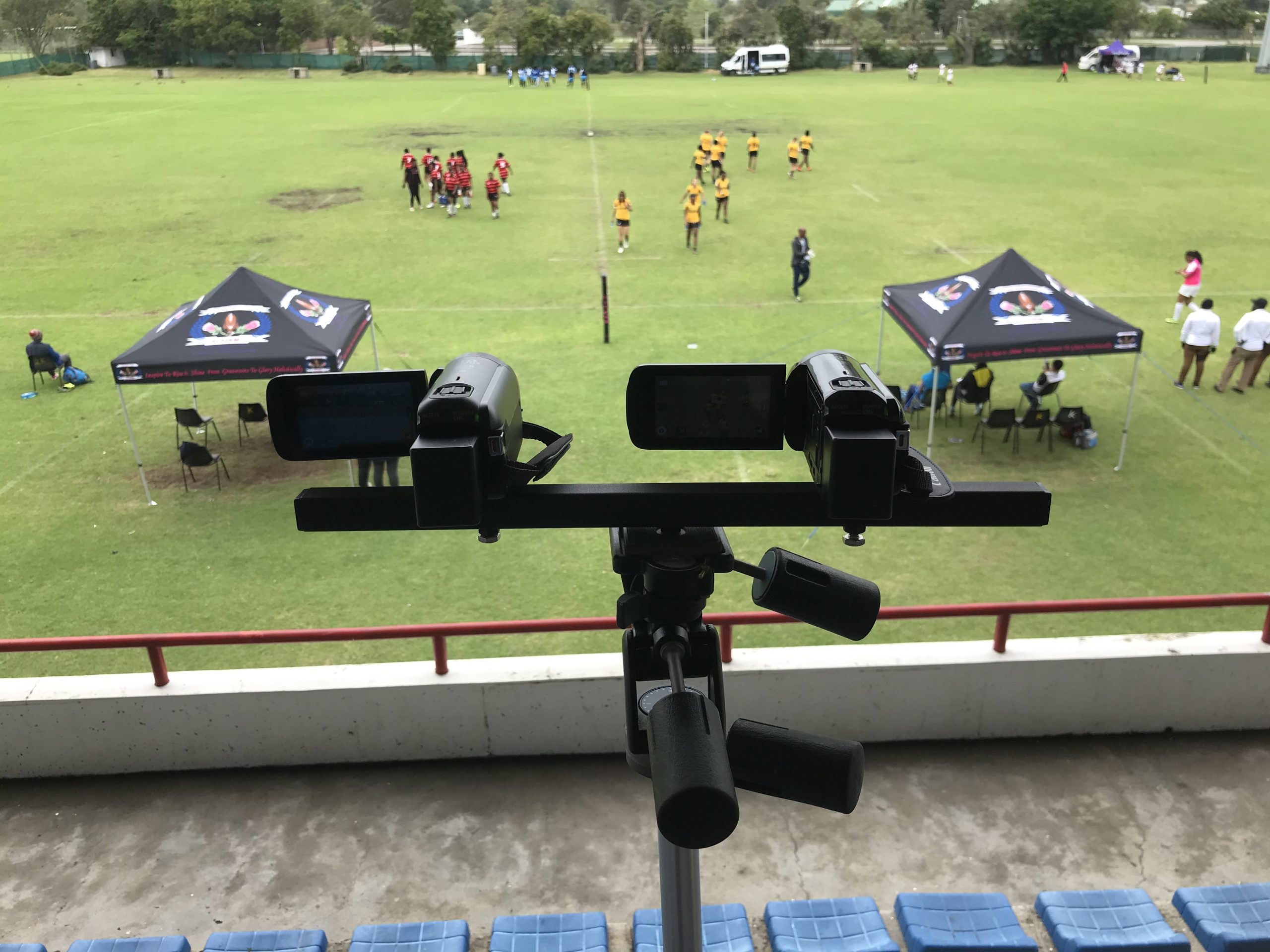
Beginning to explore Sports Analysis.
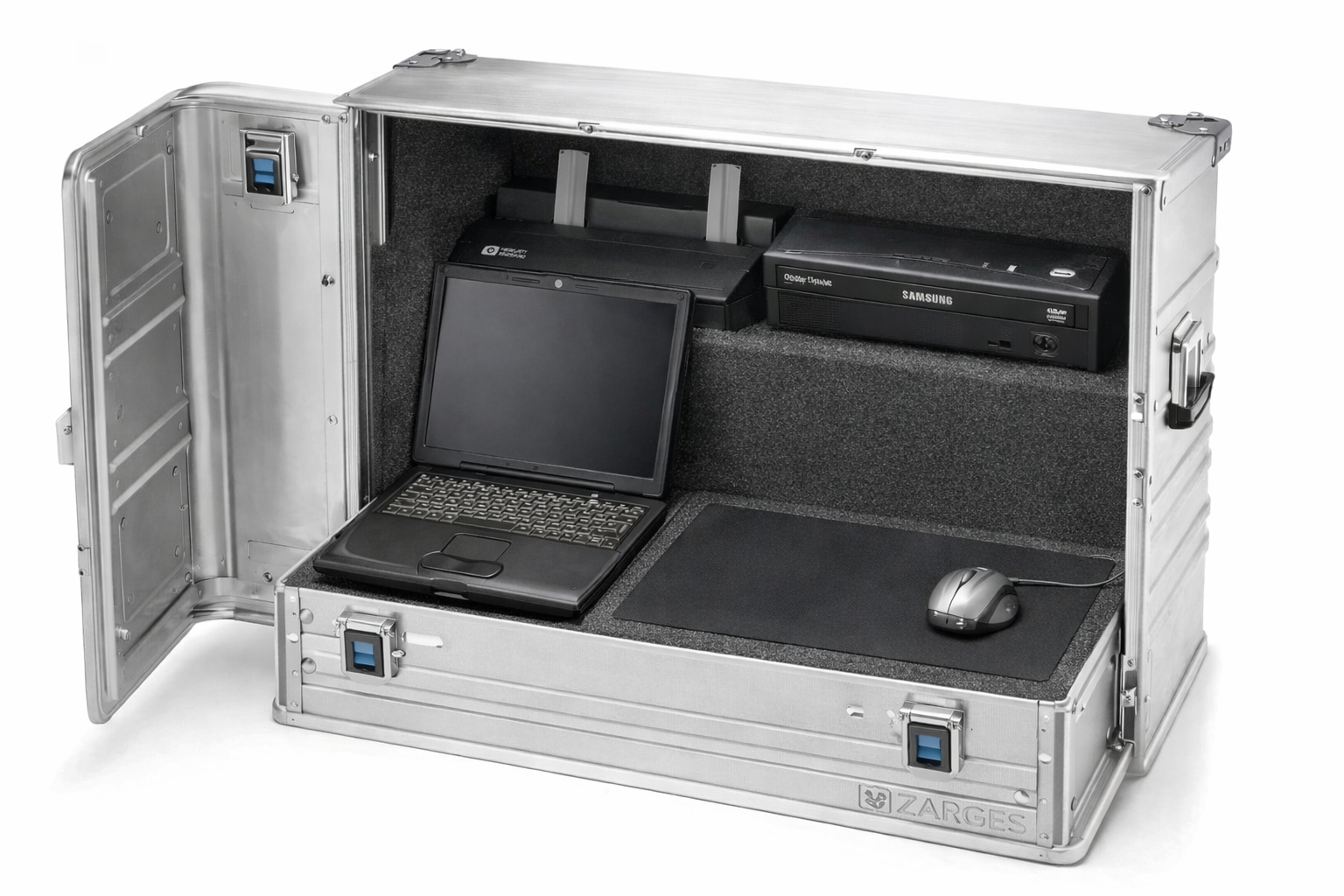
The second, and likely the most impactful, step in my journey came about unexpectedly. A company based in Johannesburg chose to donate a ‘portable’ sports analysis station to ESSM, and I was fortunate enough to be selected for training on the accompanying software. Thus began my introduction to Sportstec and SportsCode (version 3). It’s worth mentioning that the portable system, which weighed around 15 kg, was quickly transformed into a laptop with a new internal hard drive. However, a powerful message from my very first training session with SportsCode has stayed with me: “You are only limited by the power of your imagination.” This sentiment has profoundly influenced how I perceive my capabilities in this field.
With a week of software training completed, I embarked on my journey into sports analysis.
My first focus was cricket, specifically working with junior fast bowlers from the Western Province Cricket Academy. Armed with just one video camera and a tripod, I began capturing bowling actions for coaches to analyze and provide feedback to players. Utilizing two playback speeds—normal and ¼ speed—and three different camera angles, I managed to gather valuable insights for the young bowlers. While it wasn’t perfect—different angles were required for various deliveries, and the front-on angle had to be slightly misaligned to protect the camera—the team succeeded in offering performance insights that were previously unavailable.
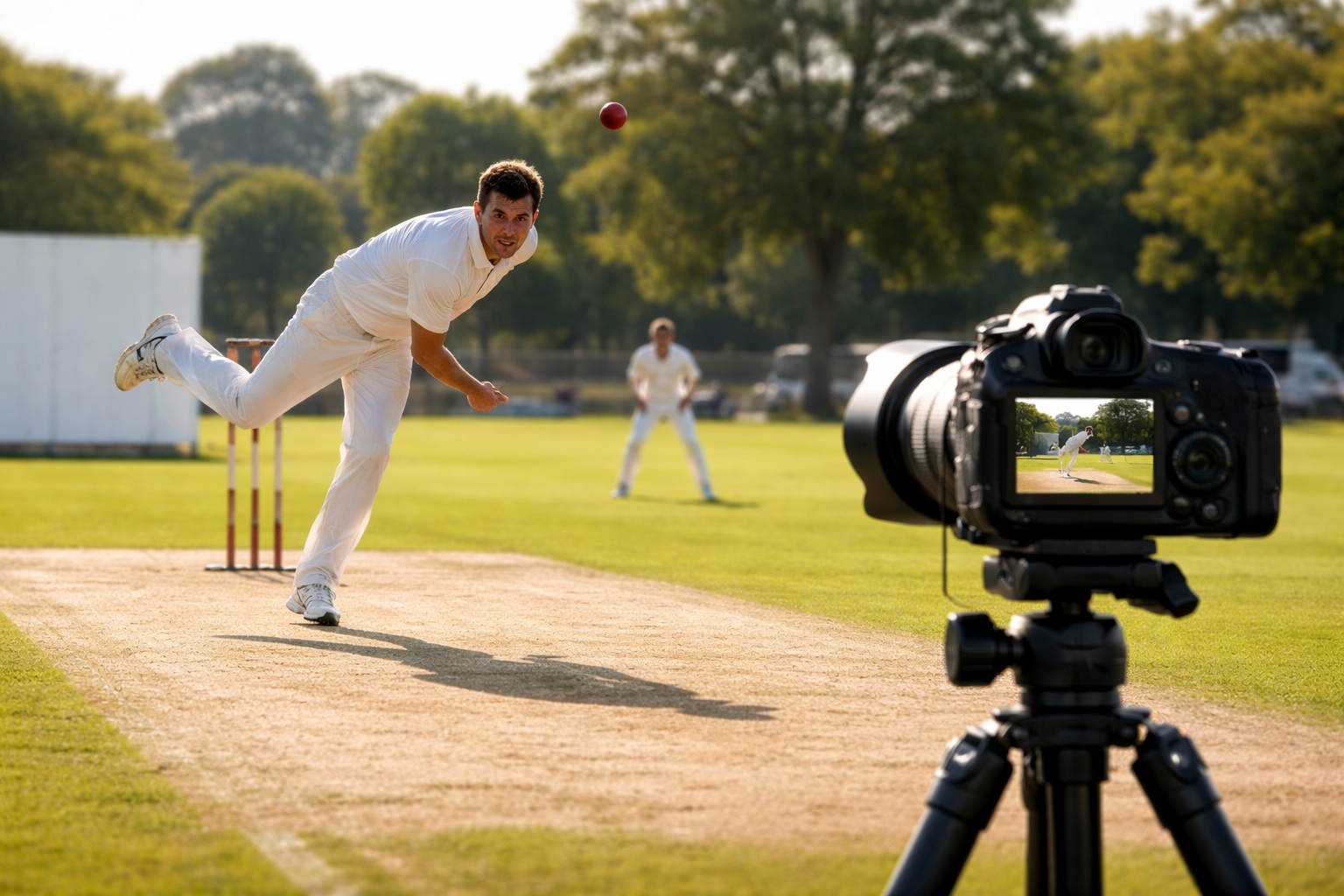
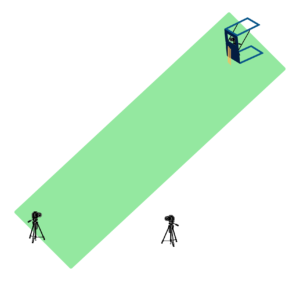
While engaged with cricket, I also had the chance to work with some national fast and medium-fast bowlers. Using the same camera setup, I recorded three overs from each bowler.
Instead of copying the footage to a DVD for later feedback, the computer was directly linked to a screen, allowing the head coach and bowling coach to provide immediate commentary by playing the video at various speeds and pausing at crucial frames.
The last significant enhancement to this straightforward video replay method occurred when we integrated video cameras with infrared high-speed motion capture cameras. This innovation allowed us to deliver detailed biomechanical insights alongside familiar video replays. According to International Cricket Council (ICC) regulations, we could assess whether bowlers had legal actions or if they were guilty of throwing, as had been reported during official matches. To execute this protocol, we had to construct a protective frame for the camera against the incoming deliveries. Admittedly, this was my least favourite task, as I often found myself standing behind the camera while balls flew past me at speeds exceeding 100 km/h.