

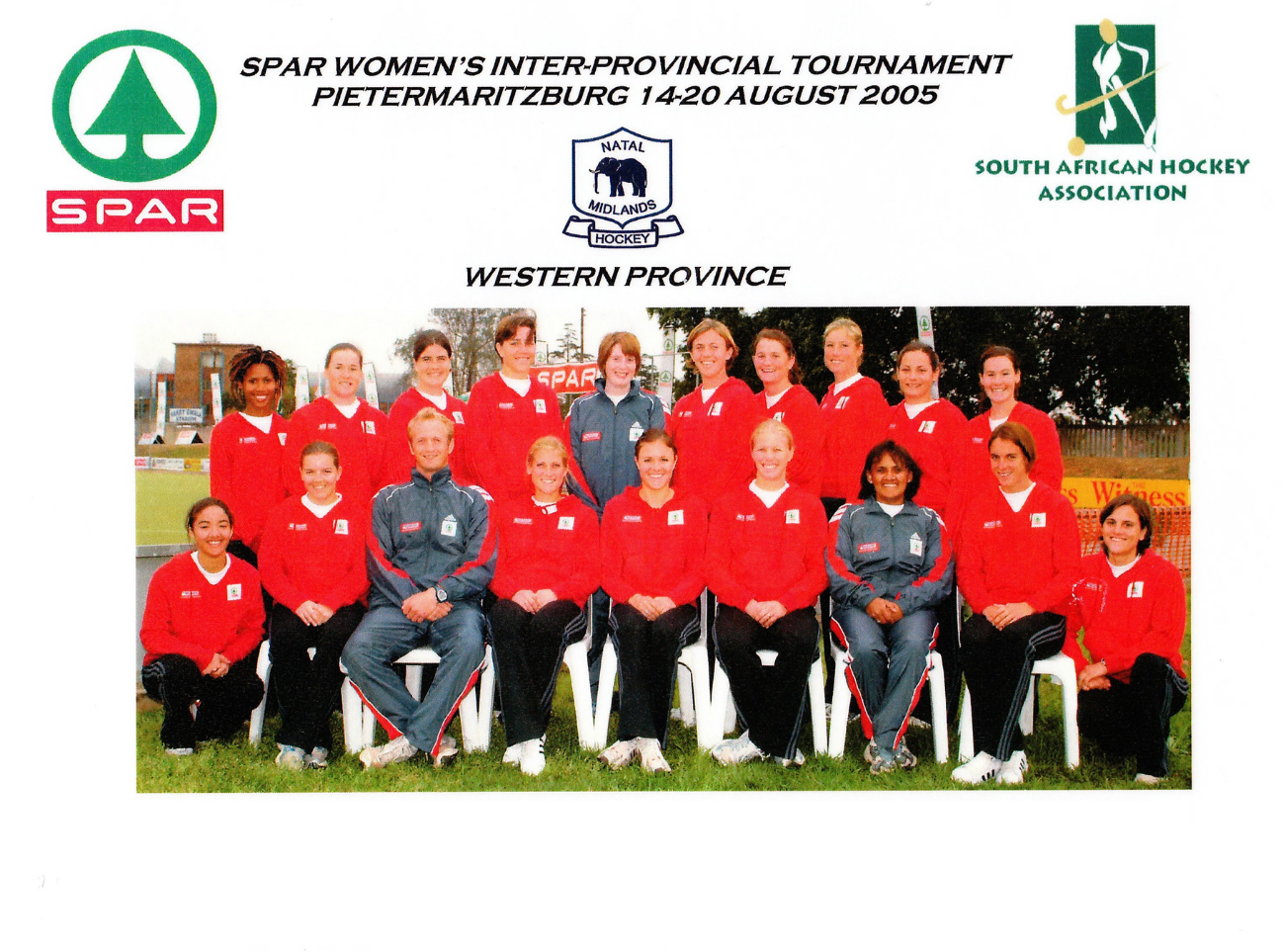
Photo credit: Western Province Hockey & SA Hockey
The Working Day that Never Ends.
This post arose from a discussion with a colleague when I asked what they would have liked to have known before being thrown into the deep-end of working with an elite team.
What did a work day look like when I started?
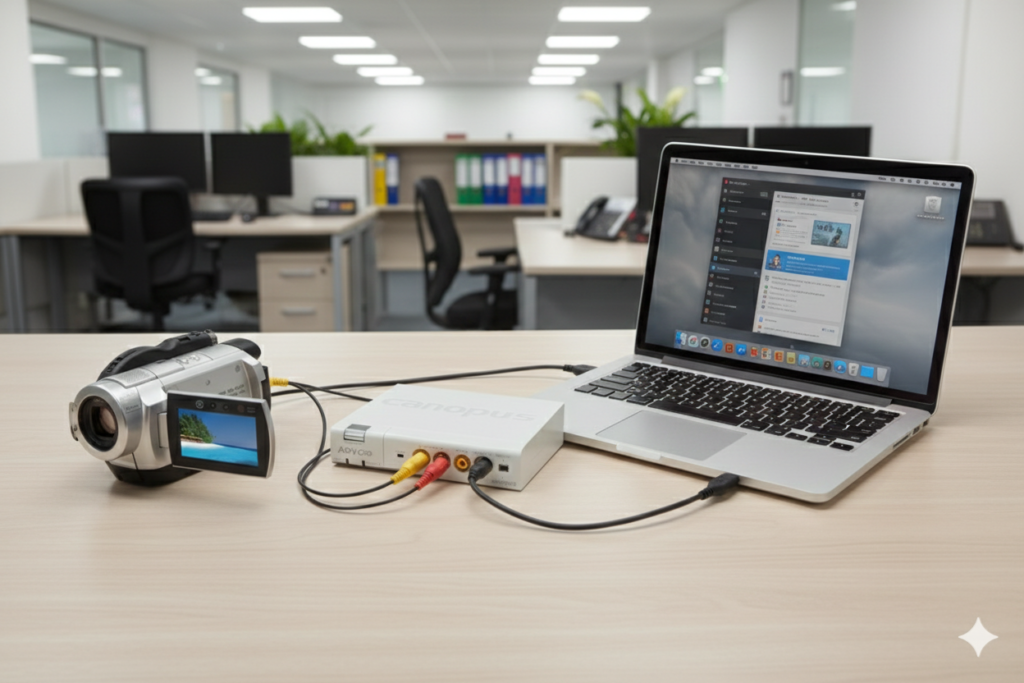
My initial forays into the world of sports were quite manageable regarding equipment, environment, and time. Everything took place within an indoor facility, making it an ideal setting for me to gain experience as a novice analyst. Preparation was straightforward: I simply needed to ensure that the camera battery was charged and that the mini DV tape was rewound to allow sufficient recording time for the athletes’ bowling sessions. The post-event processing was equally simple, involving the transfer of video onto my laptop and editing clips of the athletes by cutting out the ‘dead time’ between deliveries. Finally, I would burn the clips onto a DVD for the coach to review with the athletes. If any technical glitches arose, the athletes could bowl a few extra deliveries, and in the worst-case scenario, they could repeat the session. It was a comfortable, controlled environment.
Transition to Live Competition.
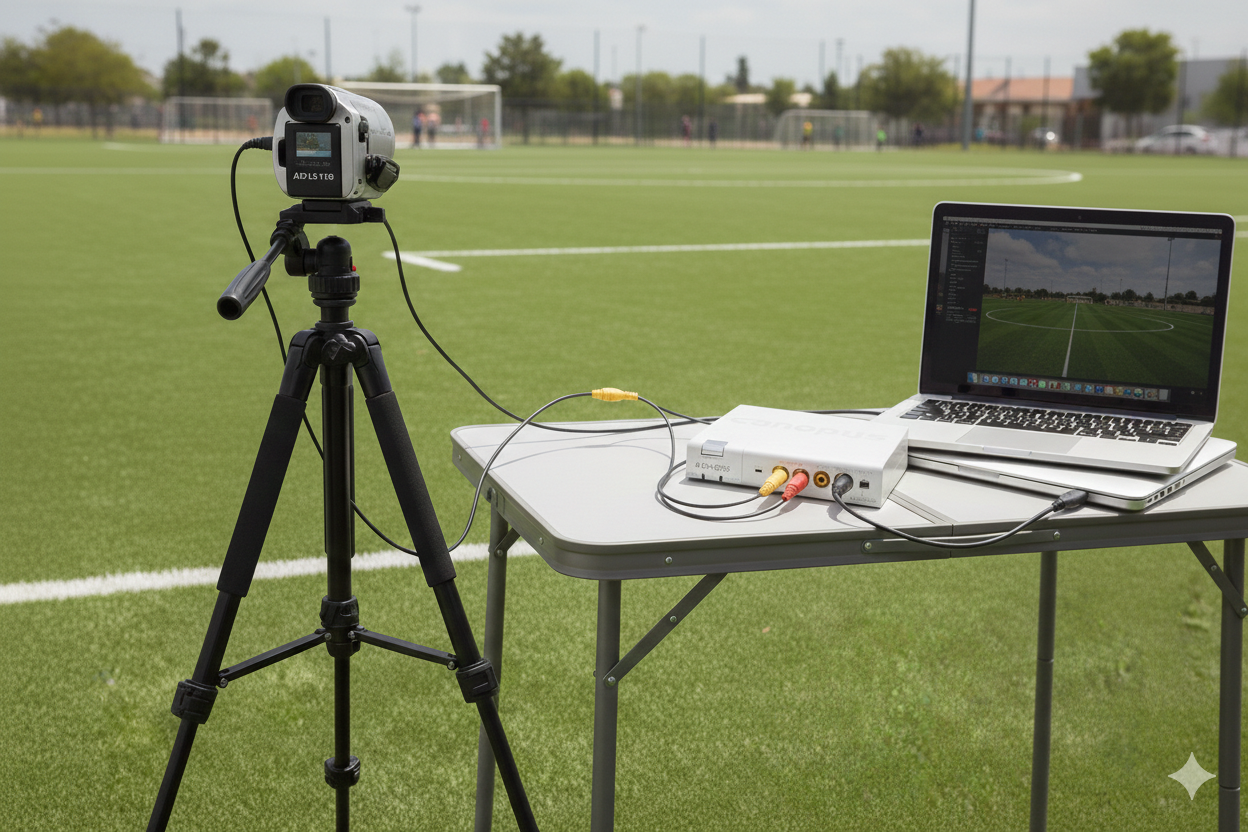
My next experience was a stark contrast to this comfortable setup, as I found myself thrust into live competition. After spending about a year refining my skills with SportsCode’s code window development and improving my event identification and timing strategies, I was finally ready to test these abilities under pressure at the country’s top regional tournament. This required me to travel with the team to Johannesburg, a two-hour flight from my base in Cape Town, as we competed at the Randburg Hockey Stadium for the week. My preparation followed a familiar routine: I packed the camera, tripod, camera battery, and at least four mini HD tapes, but I also included the battery charger, camera cables, firewire cables, a data projector (for the team to review footage if a TV wasn't available), as well as the clothes I’d need for the trip.
I distinctly remember borrowing a tracksuit from a former player since my appointment came very late in the team’s preparation. At least it appeared to others that I was part of the team. I kicked off the tournament at full speed, filming our matches, those of other teams in our pool, and at least one match of our main rival from the other pool. For this event, I only took the camera, tripod, and filming accessories to the field, which meant that all post-match work had to be completed in the time available between returning to our accommodation and the match review after breakfast the following morning. I often skipped meals with the team due to time constraints, and for most of the week, sleep was a luxury I couldn’t afford.
Gathering Data Under Pressure.
As the tournament progressed and the number of pool opponents dwindled, my attention shifted to potential opposition teams for the ‘cross-over’ semi-finals. I now needed to gather footage of those games to create a database illustrating their attacking and defensive strategies, both during set pieces and in open play. For five days, I managed to survive on just four hours of sleep each night, ensuring that all footage was ready for the coach and players.
The sixth day marked the final and the beginning of my hockey medal collection.
Take Home Thoughts.
That week taught me many important lessons, with the most significant being the need to work smarter because there aren’t enough hours in the day to work harder.